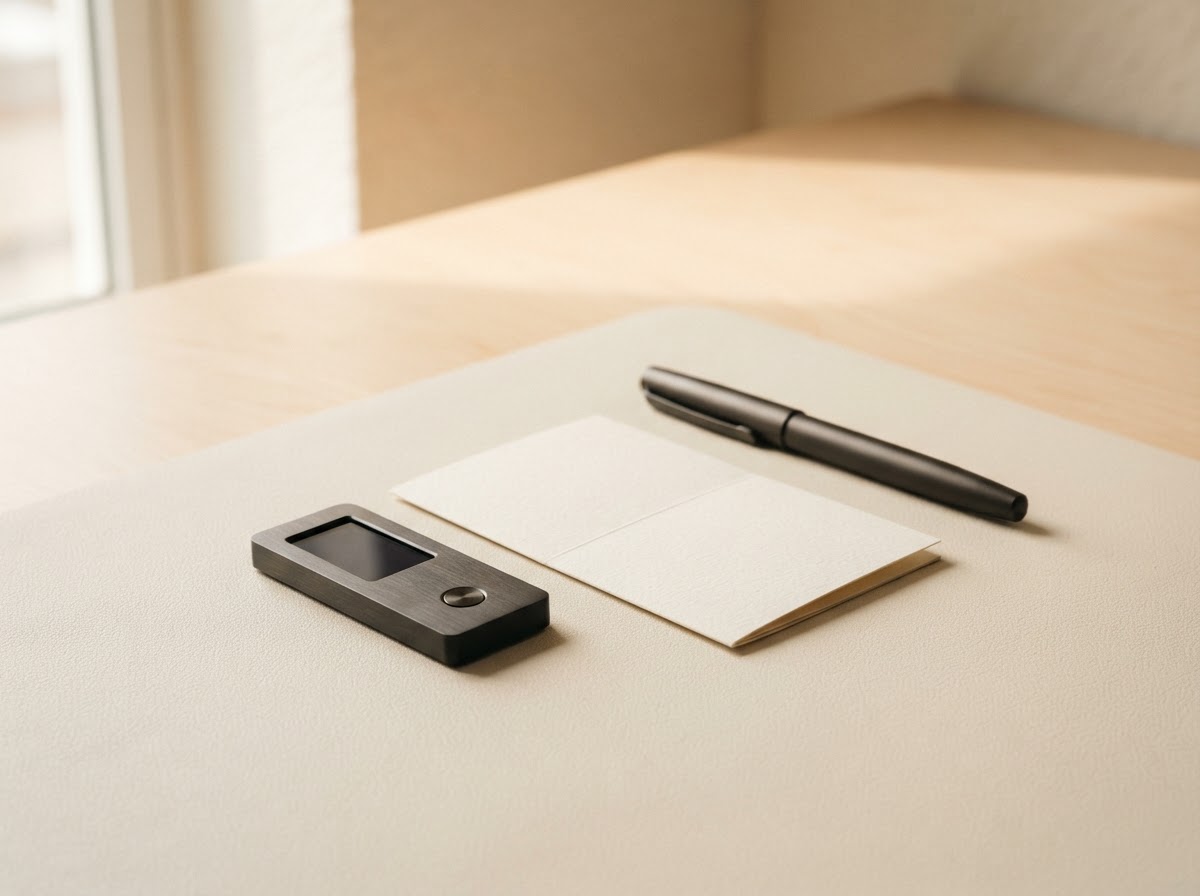
A hardware wallet can help you manage private keys offline, but the device is only one part of a safe setup. Knowing which software to trust, what a recovery phrase does, and what support will never ask you for makes the first steps much less daunting.
Understanding Ledger.com/start
Ledger.com/start is the setup destination Ledger provides for people beginning with its hardware wallets. It directs new owners toward the appropriate companion software, device initialization, and introductory guidance. Think of it as an entry point to instructions—not as a place where anyone should ask you to disclose secret recovery words.
This guide is independent and does not replace the instructions shown by Ledger for your specific device or software version. Before downloading anything, type the company’s address yourself or use a link from packaging you trust; check the domain carefully for misspellings, extra words, or look-alike characters. Search ads, unsolicited messages, and links in comments can lead somewhere else.
Keep the roles clear. A hardware wallet protects access to private keys; its companion app helps you view accounts and prepare transactions. Your assets are recorded on their respective networks, not stored as coins inside the device.
What to Prepare Before Setup
Set aside a quiet stretch of time, your hardware wallet, and a computer or phone that you control. Use a private, up-to-date device with a trusted internet connection. Have the manufacturer’s official setup instructions close at hand, and make sure you can comfortably read the device screen. If you plan to write down recovery information, prepare paper and a secure place to store it before initialization.
Buy devices through a source you can verify, and inspect the package for anything unexpected. A genuine setup should let you initialize the wallet yourself. Be cautious if a device arrives with a recovery phrase already written down, or if a seller tells you to use a preconfigured PIN or phrase. Do not use someone else’s recovery details.
A Simple Getting-Started Process
- 1Verify the route.
Navigate to Ledger.com/start by entering the address yourself, then follow the current instructions for your device. Confirm you are on the expected domain before downloading companion software.
- 2Initialize your own device.
Follow the on-screen prompts to create a new wallet, set a PIN, and generate a recovery phrase. Never enter a phrase supplied by a seller or an online guide.
- 3Record and verify carefully.
Write down each recovery word in the order requested and complete any device verification step. Work in private; do not photograph, scan, copy, or type the phrase into a computer or phone.
- 4Learn before moving value.
Explore the software and confirm what the device asks you to approve. If you later make a transaction, check its details on the hardware wallet display—not only on your computer.
Security Practices to Follow
Your PIN should be private and hard for someone nearby to observe. Lock the device when it is not in use, keep its firmware and companion software current through official channels, and pause if an update prompt arrives unexpectedly in a message or pop-up. Updates are important, but an unsolicited link is not a safe shortcut.
Read transaction details on the device itself before approval: address, network, and amount all matter. A compromised computer can display misleading information. If the hardware display does not show what you intend, reject the request and investigate using independently verified support resources. No guide can make a careless approval reversible.
Protecting Recovery Information
The recovery phrase is a master backup: someone who obtains it may be able to control the associated wallet, even without your device or PIN. Treat it like the keys to a safe, not like an account password. Keep it offline, legible, and away from casual access. Consider a durable backup method only after understanding its trade-offs and the instructions for your wallet.
Never share the phrase with a person claiming to be support, enter it into a website, or store it in email, cloud notes, messaging apps, or a password manager. A legitimate support agent should not need it. If anyone asks for your recovery words to “synchronize,” “validate,” or “unlock” an account, stop: that is a serious warning sign. If you suspect exposure, consult the device maker’s verified guidance promptly; do not follow recovery instructions from the person who contacted you.
Common Beginner Mistakes
- Rushing setup. Skipping a word or accepting a prewritten phrase can undermine the backup from day one.
- Trusting the first search result. Ads and convincing impersonation sites are not proof of authenticity; verify the address independently.
- Confusing PIN and recovery phrase. A PIN unlocks a device; the recovery phrase can restore access and must stay secret.
- Approving without checking. Verify the transaction on the hardware display, including the destination and network.
When uncertain, pause rather than improvise. Consult official documentation by navigating to the manufacturer’s site directly, and be wary of unsolicited “helpers” in social channels.
Final Checklist
✓ I reached the setup instructions through a verified Ledger domain.
✓ I initialized the device myself and created a private PIN.
✓ I wrote down and verified my recovery phrase offline.
✓ I have a secure place for the backup, separate from the device.
✓ I know never to share the phrase or approve an unchecked transaction.
Good self-custody is less about mastering everything at once and more about protecting a few critical habits. Use this Ledger.com/start overview as a preparation guide, then defer to current official instructions for your exact device.
For model-specific instructions and current software guidance, visit Ledger’s website directly.
Editorial note: Fieldnotes is an independent informational resource and is not affiliated with, endorsed by, or the official website of Ledger. Product names belong to their respective owners. This article is educational, not financial or security advice; consult current official documentation for device-specific steps.